
Elimination of fats, oils, and grease (FOG) in Wastewater Systems

What is FOG?
FOG builds up in wastewater systems long before anyone notices it. It starts as grease going down a drain at a restaurant or food plant, then hardens inside pipes and lift stations until it chokes off flow. By the time a facility sees the effects, in overflows, clogged lines, or a spike in maintenance calls, the buildup has usually been forming for months.
FOG stands for fats, oils, and grease: organic material that won't dissolve in water. It comes from cooking oil, animal fat, dairy, and food scraps. Once it enters a collection system, it clings to pipe walls, lift station wet wells, and treatment equipment. Left alone, it reduces flow capacity, feeds odor-causing bacteria, and drives up the sanitary sewer overflows (SSOs) that trigger regulatory scrutiny.
What is AXCELL+?
AXCELL+ is Lakepointe's biological treatment product for this exact problem. It's built around Xeronine, an alkaloid that restarts and accelerates enzymatic activity in the bacteria already present in a wastewater system. Instead of adding chemicals or scheduling a mechanical cleanout, AXCELL+ speeds up biological digestion so FOG breaks down before it accumulates.
Quick Summary
- AXCELL+ reduced FOG by 45 to 50 percent at the headworks of a real municipal facility, with higher reductions after treatment expanded
- Works without chemicals, dredging, or taking the facility offline
- Cut sanitary sewer overflows to the utility's target of 10 or fewer per year
- Applied through existing lift stations; Lakepointe supplies and maintains the dosing equipment
- Delivered a documented 25% return on contract cost, based on the utility's own cost-benefit analysis
before
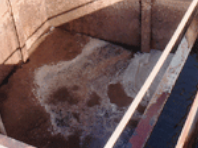
after

Real Results: Osprey Water Reclamation Facility
A municipal utility serving 48,000 people, with 21,000 paying customers, used AXCELL+ at its Osprey Water Reclamation Facility in Titusville, Florida. The plant runs an average daily flow of about 2 million gallons.
Lakepointe dosed AXCELL+ through roughly 10 lift stations, positioned at the greatest distance from the plant to maximize retention time in the system. FOG levels at the headworks dropped 45 to 50 percent during the trial. Reductions increased further once treatment expanded.
The utility's own cost-benefit analysis found a 25% return on the cost of the contract. Their target was 10 or fewer SSOs per year. After implementing AXCELL+, they hit it. The utility's only operational responsibility was storing the product; Lakepointe's team operated and maintained the dosing equipment, drawing power from a single 120VAC receptacle.
How AXCELL+ Works
AXCELL+ works with the biology already present in the system rather than replacing it. Once introduced, it accelerates the enzymatic activity of naturally occurring bacteria, so those organisms process FOG faster than they would on their own. The bacteria convert fats, oils, and grease into water, carbon dioxide, and other byproducts that don't accumulate.
Because it works with the existing microbial population, treatment continues after the initial dose. The bacteria adapt to the specific FOG composition in a given system and keep working as new grease enters the line.
Why Utilities Choose Biological Treatment Over Chemicals or Mechanical Cleanout
Chemical treatments handle FOG at the moment of application, then need to be reapplied. Mechanical cleanout means shutting down or bypassing part of the system while crews physically remove buildup. Both carry ongoing costs and downtime.
AXCELL+ avoids that tradeoff. It doesn't require a facility shutdown, and it doesn't introduce chemicals into a system that eventually discharges to local waterways. Utilities running AXCELL+ see fewer blockages, less unscheduled overtime, and fewer customer complaints tied to overflows. That's the kind of savings that doesn't show up on an invoice but shows up in headcount hours and maintenance budgets.
Getting Started
Lakepointe evaluates a facility's flow rate, lift station layout, and current FOG load before recommending a dosing plan. Implementation runs through existing infrastructure, and Lakepointe supplies and maintains the dosing equipment. Most facilities see measurable FOG reduction within weeks of the first application.
FOG and lift station problems usually show up together. If you're also dealing with buildup at your lift stations, contact us.
Frequently Asked Questions
What is FOG in wastewater treatment?
FOG stands for fats, oils, and grease, organic material that doesn't dissolve in water. It comes from cooking oil, animal fat, and food waste, and it accumulates inside pipes, lift stations, and treatment equipment until it restricts flow and causes blockages.
How is AXCELL+ different from chemical grease treatments?
AXCELL+ is a biological product built around Xeronine, an alkaloid that accelerates the activity of bacteria already present in a wastewater system. It doesn't add chemicals to the system, and it keeps working after the initial dose because the bacterial population continues to break down FOG on its own.
How long does it take to see FOG reduction after starting AXCELL+?
Facilities typically see measurable reduction within weeks. At Lakepointe's Osprey Water Reclamation Facility case, FOG levels at the headworks dropped 45 to 50 percent during the initial trial period.
Does AXCELL+ require facility downtime or equipment changes?
No. AXCELL+ is applied through existing lift stations or dosing points without shutting the facility down. Lakepointe supplies and maintains the dosing equipment; the facility typically only needs to provide storage and a standard power receptacle.
How much can AXCELL+ reduce FOG levels?
Results vary by facility and flow, but in a documented municipal case, FOG at the headworks dropped 45 to 50 percent, with further reductions after treatment expanded. The same facility reported a 25% return on contract cost.
Is AXCELL+ safe for facilities that discharge to local waterways?
Yes. Because AXCELL+ works biologically rather than chemically, it doesn't introduce compounds that create discharge or compliance concerns the way some chemical treatments can.
FOG Review:
Lakepointe Environmental has always performed their contracts well beyond expectations. The benefits we received included a 45-50% reduction in fats, oils and grease (FOG), at the headworks of the facility where the product was used in the tributary systems. Those reductions were realized in the trial, we did have higher reductions when we expanded treatment, in addition, the "soft costs" can only be estimated, but they included a reduction in blockages and Sanitary Sewer Overflows (SSO's), unscheduled overtime and fewer customer complaints. The target for our division was 10 or fewer SSO's per year. I am happy to say we hit that target.
The system I was responsible for, and I say "was", as I retired in 2017, serves a population of 48,000 people with 21,000 paying customers. The dosing was for was for a single facility, our Osprey Water Reclamation Facility, with an average daily flow of ~ 2 million gallons per day. The product was applied from approximately 10 lift stations the greatest distance from the Osprey Facility, to maximize the retention time in the system. The last cost-benefit analysis I performed indicated an approximate return of 25% on the cost of the contract. We were very pleased with that. I should also mention, the only responsibility we had for dosing the product was storing it. The Lakepointe contract was turnkey and they had personnel that operated and maintained the dosing equipment. We provided a 120VAC receptacle for powering the small pump needed.
I hope this has been helpful and answered your questions. If you have any other questions, please do not hesitate to contact me. Good luck with your project!
Regards,
A satisfied municipal client
