
Lagoon Bio Dredging Without the Equipment, Hauling, or Downtime
Axcell Bio Dredging Systems: Results After 60 Days
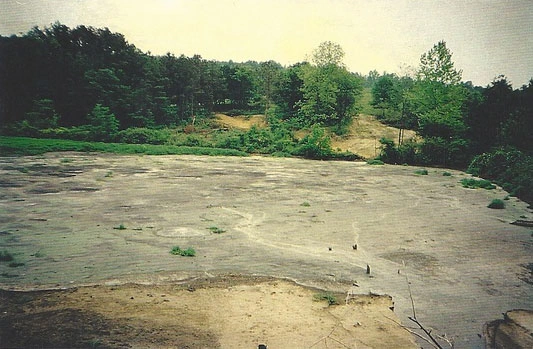
The treatment lagoon before AXCELL+ biological sludge reduction accumulated organic sediment, restricting capacity.
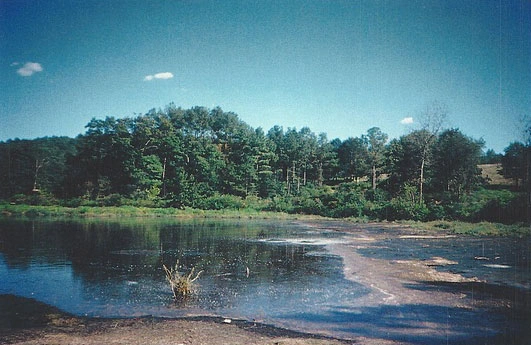
Same lagoon after 60 days of AXCELL+ lagoon bio dredging, sludge depth reduced without mechanical dredging or facility shutdown.
Quick Summary
What is Lagoon Bio Dredging?
- A biological process that reduces organic sludge in treatment lagoons without mechanical equipment
- Works by accelerating the natural microbial activity already present in the lagoon
- Reduces sludge depth 60-70% or more, depending on organic content
- No facility shutdown, no hauling, no dredging equipment required
- Proven results for municipalities, food producers, and industrial facilities
Bio dredging is a biological approach to reducing accumulated organic sediment in treatment lagoons, ponds, and water bodies. Instead of bringing in excavators and haul trucks, bio dredging works by stimulating the microbial activity already present in the water, speeding up the natural breakdown of organic matter until it converts to carbon dioxide and water. Sludge depth gradually decreases over weeks and months without shutting down the facility or disrupting operations. For municipalities and industrial facilities facing the cost and logistics of lagoon dredging, biological treatment has become a practical and proven alternative.
Lagoon bio dredging with AXCELL+ digests accumulated organic sludge where it sits, restoring lagoon capacity without mechanical dredging, hauling, or operational shutdown. AXCELL+ is an alkaloid-based biological stimulant that accelerates the natural microbial activity already present in your lagoon, breaking down organic waste faster and more completely than conventional treatment alone. Unlike traditional biodredging methods that require heavy equipment and facility downtime, AXCELL+ works through biological stimulation reducing sludge volumes by 60-70% or more depending on organic content. It's a proven, cost-effective alternative for municipalities, food producers, and industrial facilities dealing with lagoon sludge buildup.
- Remedy sludge accumulations by 60-70+% based on organic content
- Reduce odors, sulfide liquid, and air readings
- Increase biological activity to improve effluent quality and methane production
- Reduce sludge by simply improving the biological pathway
If you have issues with a landscape or golf course pond, we can help!
Case Studies:
Food Manufacturer in Florida
A food manufacturer in Florida had a wastewater pretreatment system comprising about a surface acre of area and a 12-foot water depth. Upon discovering through measurements that the system had become full of sludge, we began applying a biostimulant to alleviate the problem.
Results:
- Within less than eight weeks after the initial application, sludge levels were reduced to 5 feet from the initial 12-foot measurement
- This was a reduction of over two million gallons of sludge
- The system was able to discharge to the receiving collection system with no downtime for the plant or its employees
Small Municipality in Alabama
A small municipality in Alabama had a treatment system comprised of a three-stage lagoon system with a daily flow of about 100,000 gallons. We were contacted to address permit issues for ammonia coming from this treatment system.
Our approach:
Results:
- The project began in April
- By the following January, measurements showed an average depth of sludge in the lagoon of between 1" and 2"
Additional Applications
Our technology has been successfully applied in various industries:
- Pulp and paper lagoons
- Dairy farms
- Poultry farms
- Swine farms
- Confined animal feedlots
In fact, the lead story in the Oklahoma Stockman magazine dealt with the use of a biological stimulant in these applications.
Cost-Effective Solution
The costs associated with manual dredging often lead to "sticker shock." Our technology offers a simpler and more cost-effective approach to these problems:
- The sludge is treated where it is
- No need for dredging, removal, or further treatment of the residuals
- Saves on transportation and disposal costs
Lagoon bio dredging with AXCELL+ lets you manage lagoon dredging costs without the hauling, equipment mobilization, and disruptions that come with mechanical removal.
Frequently Asked Questions
What is lagoon bio dredging?
Lagoon bio dredging is a biological process that uses microbial stimulation to digest and reduce accumulated organic sludge at the bottom of wastewater treatment lagoons. Instead of mechanically removing sludge, AXCELL+ activates and accelerates the natural biological processes already present in the lagoon, breaking down organic matter in place.
How is bio dredging different from mechanical dredging?
Mechanical dredging requires heavy equipment, facility downtime, and high costs for sludge removal, hauling, and disposal. Lagoon bio dredging treats the sludge where it sits. There is no equipment to mobilize, no hauling, and no operational shutdown—the lagoon remains in service throughout the treatment process.
How much sludge can AXCELL+ remove?
Results depend on the organic content of the sludge, but documented reductions of 60-70% or more are typical. At the Baxley Wastewater Treatment Plant, the first three cells achieved a 75% reduction in sludge over four months. A Florida food manufacturer reduced sludge from 12 feet to 5 feet in under eight weeks.
How long does lagoon bio dredging take?
Most facilities see measurable results within 60 to 90 days of the initial application. Full treatment timelines depend on lagoon size, sludge depth, and organic load. AXCELL+ continues working between treatment cycles, so results typically improve over time.
Can bio dredging replace mechanical dredging completely?
For organic sludge accumulation, yes. AXCELL+ targets and digests organic matter -- the primary driver of lagoon capacity loss and permit issues. Inorganic materials like sand, silt, and grit are not affected by biological treatment and may still require mechanical removal if present in significant quantities.
What types of facilities use lagoon bio dredging?
Lagoon bio dredging is used by municipal wastewater treatment plants, food and beverage producers, dairy and poultry farms, pulp and paper operations, and any facility managing treatment lagoons with organic sludge accumulation.
Does the lagoon need to be taken offline during treatment?
No. One of the primary advantages of AXCELL+ is that treatment happens without interrupting lagoon operations. The facility stays fully operational throughout the process.
Download our PDFs
